Buy bürowelt.com ?
We are moving the project
bürowelt.com .
Are you interested in purchasing the domain
bürowelt.com ?
domain@kv-gmbh.de · 0541-91531010
Buy bürowelt.com ?
What is 3D printer filament 3?
3D printer filament 3 is a type of material used in 3D printing. It is typically made of thermoplastic polymers such as PLA, ABS, PETG, or TPU. This filament is fed into a 3D printer, which heats and melts the material before depositing it layer by layer to create a 3D object. Different types of filament 3 have different properties, such as strength, flexibility, and heat resistance, making them suitable for a wide range of applications in 3D printing. **
Why is my 3D printer not extruding filament?
There could be several reasons why your 3D printer is not extruding filament. Some common causes include a clogged nozzle, improper filament loading, a loose or misaligned extruder gear, or a faulty extruder motor. It is important to check these components and troubleshoot the issue to determine the exact cause of the problem and make the necessary adjustments or repairs. **


Similar search terms for Filament
Top-Angebote
Products related to Filament:
-
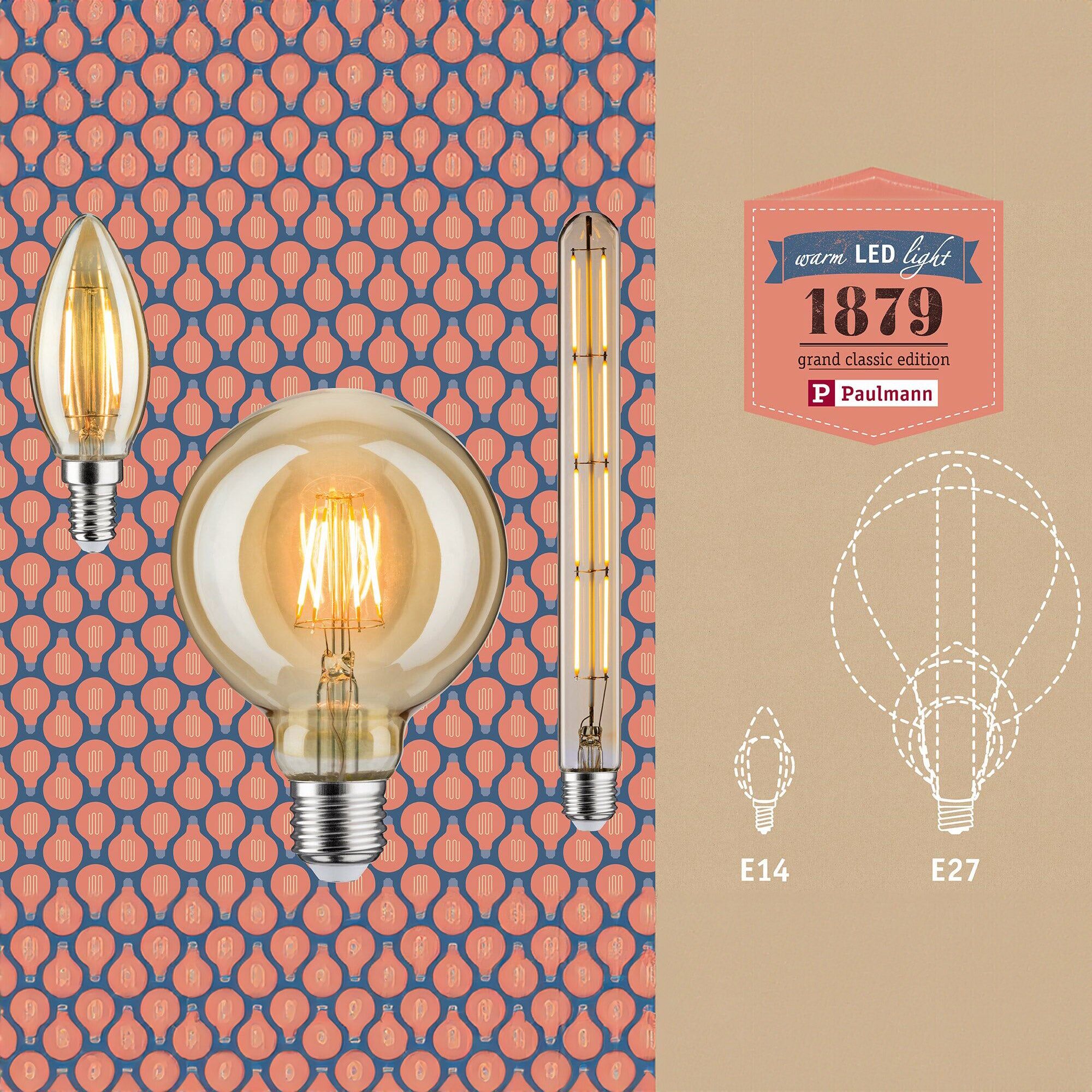
Paulmann - Filament LED Candle Bulb 2W E14LED gold light lamps are the latest trend. They are not only a decorative eye-catcher, but also create a cosy atmosphere like that of candlelight. Welcome the vintage charm into your home without any hesitation – the energy-efficient LED technology is, after all, not a thing of the past and is an energy-saving replacement for old-fashioned energy wasters.6,79 £*Shipping: 4,99 £Secure redirect to the provider



-
Why is my 3D printer not printing filament?
There could be several reasons why your 3D printer is not printing filament. Some common reasons include a clogged nozzle, improperly loaded filament, a loose or disconnected extruder gear, or a faulty extruder motor. It is important to check these components and troubleshoot the issue to determine the exact cause of the problem. Additionally, ensuring that your printer settings are correct and that the filament is of good quality can also help prevent printing issues. **
-
Is the filament for the 3D printer unstable?
The stability of a 3D printer filament depends on various factors such as its material, quality, and storage conditions. Some filaments may be more prone to warping or breaking, especially if they are exposed to moisture or heat. It is important to store filaments in a dry and cool environment to maintain their stability. Additionally, using the correct printing settings and techniques can also help ensure the stability of the filament during the printing process. Overall, the stability of the filament can vary, but proper handling and storage can help minimize any potential instability. **
-
Which filament was included with my 3D printer?
The filament included with your 3D printer is typically PLA (polylactic acid) filament. PLA is a popular choice for beginners as it is easy to work with, environmentally friendly, and produces high-quality prints. It is a biodegradable thermoplastic that is derived from renewable resources such as corn starch or sugarcane. If you have a different type of filament included with your printer, it should be specified in the product description or user manual. **
-
Does homemade PETG filament damage a 3D printer?
Homemade PETG filament can potentially damage a 3D printer if it is not made to the proper specifications and quality standards. The quality of the filament, including its diameter, consistency, and impurities, can affect the performance of the 3D printer and potentially cause clogs, jams, or other issues. It is important to carefully follow the proper procedures and use high-quality materials when making homemade filament to minimize the risk of damaging the 3D printer. Additionally, using homemade filament may void the warranty of the 3D printer, so it is important to consider this before using homemade filament. **


Does the PLA filament dissolve in the 3D printer?
No, PLA filament does not dissolve in the 3D printer. Instead, it is heated and melted within the printer's extruder before being deposited layer by layer to create the desired object. Once the PLA filament cools down, it solidifies and maintains its shape, forming the final 3D printed object. **
Does the 3D printer consistently promote too little filament?
The 3D printer may consistently promote too little filament if there are issues with the filament feeding mechanism or if the filament spool is not properly aligned. This can result in incomplete prints or gaps in the final product. Regular maintenance and calibration of the printer can help prevent this issue and ensure a consistent flow of filament during the printing process. **
Top-Angebote
Products related to Filament:
-
Retailers Go Filament Connector, Fast Welding Sleeve Splicer For Nylon Filament Repairs connector 1fcMake your 3D printing experience smoother and more efficient with the SUNLU Filament Connector. This innovative tool allows for quick, easy, and seamless filament splicing, making it perfect for 1.75mm filaments such as PLA, PETG, TPU, ABS, PA, and...136,97 $*Shipping: 0,00 $Secure redirect to the provider
-
Multisell Products Hub Filaments Dry Box For Material Printer, Filament Dehydrator Spool Holder uk PlugPreserve Your Filament Quality The Filament Dehydrator Spool Holder and Filaments Dry Box for Material Printer provide an essential solution to preserve your filaments from moisture damage. By ensuring the filament stays dry, you can maintain its...129,97 $*Shipping: 0,00 $Secure redirect to the provider
-
Paulmann - Filament LED Candle Bulb 2W E14LED gold light lamps are the latest trend. They are not only a decorative eye-catcher, but also create a cosy atmosphere like that of candlelight. Welcome the vintage charm into your home without any hesitation – the energy-efficient LED technology is, after all, not a thing of the past and is an energy-saving replacement for old-fashioned energy wasters.6,79 £*Shipping: 4,99 £Secure redirect to the provider
-
What is 3D printer filament 3?
3D printer filament 3 is a type of material used in 3D printing. It is typically made of thermoplastic polymers such as PLA, ABS, PETG, or TPU. This filament is fed into a 3D printer, which heats and melts the material before depositing it layer by layer to create a 3D object. Different types of filament 3 have different properties, such as strength, flexibility, and heat resistance, making them suitable for a wide range of applications in 3D printing. **
-
Why is my 3D printer not extruding filament?
There could be several reasons why your 3D printer is not extruding filament. Some common causes include a clogged nozzle, improper filament loading, a loose or misaligned extruder gear, or a faulty extruder motor. It is important to check these components and troubleshoot the issue to determine the exact cause of the problem and make the necessary adjustments or repairs. **
-
Why is my 3D printer not printing filament?
There could be several reasons why your 3D printer is not printing filament. Some common reasons include a clogged nozzle, improperly loaded filament, a loose or disconnected extruder gear, or a faulty extruder motor. It is important to check these components and troubleshoot the issue to determine the exact cause of the problem. Additionally, ensuring that your printer settings are correct and that the filament is of good quality can also help prevent printing issues. **
-
Is the filament for the 3D printer unstable?
The stability of a 3D printer filament depends on various factors such as its material, quality, and storage conditions. Some filaments may be more prone to warping or breaking, especially if they are exposed to moisture or heat. It is important to store filaments in a dry and cool environment to maintain their stability. Additionally, using the correct printing settings and techniques can also help ensure the stability of the filament during the printing process. Overall, the stability of the filament can vary, but proper handling and storage can help minimize any potential instability. **
Similar search terms for Filament
-
Which filament was included with my 3D printer?
The filament included with your 3D printer is typically PLA (polylactic acid) filament. PLA is a popular choice for beginners as it is easy to work with, environmentally friendly, and produces high-quality prints. It is a biodegradable thermoplastic that is derived from renewable resources such as corn starch or sugarcane. If you have a different type of filament included with your printer, it should be specified in the product description or user manual. **
-
Does homemade PETG filament damage a 3D printer?
Homemade PETG filament can potentially damage a 3D printer if it is not made to the proper specifications and quality standards. The quality of the filament, including its diameter, consistency, and impurities, can affect the performance of the 3D printer and potentially cause clogs, jams, or other issues. It is important to carefully follow the proper procedures and use high-quality materials when making homemade filament to minimize the risk of damaging the 3D printer. Additionally, using homemade filament may void the warranty of the 3D printer, so it is important to consider this before using homemade filament. **
-
Does the PLA filament dissolve in the 3D printer?
No, PLA filament does not dissolve in the 3D printer. Instead, it is heated and melted within the printer's extruder before being deposited layer by layer to create the desired object. Once the PLA filament cools down, it solidifies and maintains its shape, forming the final 3D printed object. **
-
Does the 3D printer consistently promote too little filament?
The 3D printer may consistently promote too little filament if there are issues with the filament feeding mechanism or if the filament spool is not properly aligned. This can result in incomplete prints or gaps in the final product. Regular maintenance and calibration of the printer can help prevent this issue and ensure a consistent flow of filament during the printing process. **
* All prices are inclusive of VAT and, if applicable, plus shipping costs. The offer information is based on the details provided by the respective shop and is updated through automated processes. Real-time updates do not occur, so deviations can occur in individual cases. ** Note: Parts of this content were created by AI.